
Batik Textile
Bani BiswasKala Bhavana, Santiniketan, India, 1970s
- Materials & techniques
- Cotton, batik; myrobalan and catechu
- Collection
- Bani Biswas
Object details

This batik textile was made by Bani Biswas at Kala Bhavana in the 1970s, using myrobalan and catechu as natural dyes on cotton.
The use of these dyes has resulted in colours that have softened and faded over time, giving the textile a subdued, atmospheric quality.
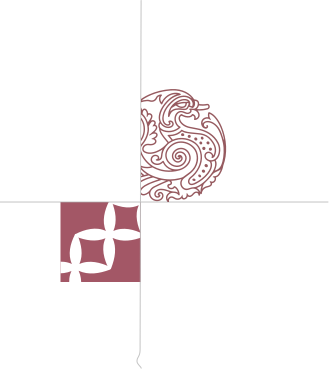
The composition is deliberately restrained, with a largely empty central field framed by alpona-inspired designs at either end. The contrast between the open centre and the more densely patterned borders creates a sense of balance, while the end motifs provide the textile with a clear visual rhythm.
Its long, narrow format suggests that it may originally have been used as an uttariya, a cloth worn or draped over the upper body. The work is an example of Bani Biswas’s engagement with natural dyes and the possibilities of batik as both a textile technique and a mode of visual composition, in which the unadorned ground is as important to the design as the decorated ends.